
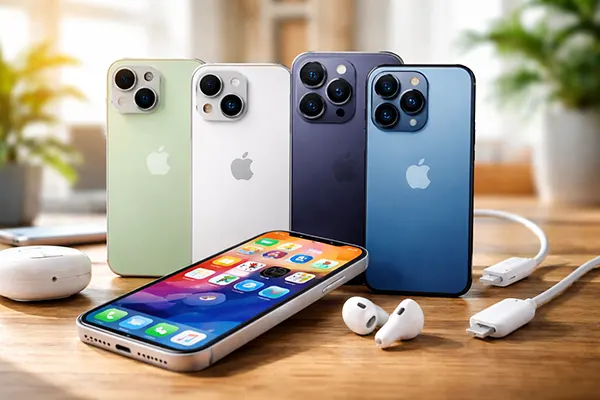
iPhone in 2026: how to choose the right model, use iOS well, and stay secure
By 2026, buying an iPhone is less about chasing the newest name and more about matching hardware and software to how you actually use your phone. Apple’s recent lineup spans value-focused models like the iPhone 16e and more demanding devices such as the iPhone 17 Pro range, and the differences matter in battery life, camera flexibility, display quality and long-term comfort. This guide keeps it practical: what to look for, what to ignore, and which settings are worth your time once you’ve set the phone up.
How to pick an iPhone model in 2026 without overpaying
Start with your “non-negotiables”: screen size you can comfortably use one-handed, battery life for your typical day, and whether you genuinely need multiple cameras. For many people, the biggest day-to-day upgrades come from battery headroom and storage rather than a specific camera mode. If you mostly shoot in good light and share photos on social apps, you may not benefit from the most advanced sensors as much as you think.
Next, look at the current range in terms of value. The iPhone 16e is positioned as a more affordable entry into the newer generation, while the iPhone 16 family sits in the mainstream, and the iPhone 17 Pro models focus on top-tier performance and camera features. As a rule of thumb, paying extra makes the most sense if you do a lot of video work, take photos in low light, or rely on demanding apps that benefit from the best chip and thermal performance.
Finally, be honest about storage. If you keep lots of photos and 4K video locally, download offline media, or use your phone for work files, 256GB is often a safer baseline than the smallest option. If you tend to stream everything and manage photos with cloud storage, you can spend less here and put the money into battery, durability, or AppleCare-style protection instead.
A quick checklist: what to compare in a shop in under five minutes
Hold the phones and check comfort first. Weight distribution and width can matter more than diagonal size, especially if you type a lot or use the phone while commuting. If you can, test reachability: can you comfortably hit the top-left corner and use the camera controls with one hand without feeling like you’ll drop it?
Check the display in real conditions. Brightness and reflections are easier to judge under strong indoor lighting than in a dim showroom. If you read a lot on your phone or use it outdoors, perceived clarity and glare control can be more valuable than small differences in resolution on paper.
Compare the camera in the way you actually shoot: one indoor photo, one portrait, one quick video clip while walking. Pay attention to focus speed, skin tones and stabilisation, not just sharpness. This is also where you’ll notice whether you miss having a dedicated zoom lens (common on Pro models) or whether digital zoom is fine for your needs.
iOS features in 2026 that are worth setting up properly
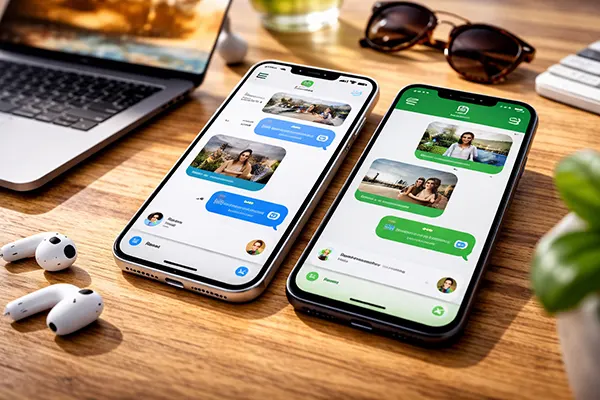
Even if you don’t change phones every year, iOS updates can reshape how your iPhone feels. iOS 18 introduced heavier personalisation options (Home Screen and Control Centre changes), a major Photos redesign, and newer messaging capabilities such as RCS support (availability depends on your carrier). These are not “nice-to-haves” if you want fewer friction points day to day; a tidy Control Centre and sensible notification approach can genuinely reduce clutter.
AI features are another practical dividing line. Apple Intelligence arrived across iOS 18 updates on supported devices, with certain capabilities tied to newer hardware. If you expect on-device writing tools, smarter photo search or improved assistant workflows, verify compatibility before you buy, because the cheapest current model may not offer the same feature set as the newest Pro models.
Don’t overlook basics that quietly improve quality of life: Focus modes, shared Photo libraries for families, Emergency SOS and Medical ID, and accessibility tools (even if you don’t consider yourself an “accessibility user”). Set up what matters early, and you’ll feel the benefit every day without constantly tweaking settings later.
Apple ID, backups and everyday settings that prevent headaches later
Set up your Apple ID security on day one. Use two-factor authentication, add trusted phone numbers, and consider a recovery contact if you’re comfortable doing so. If you lose access to your account, the inconvenience goes far beyond email: it can affect purchases, device tracking, passwords and backups.
Choose a backup strategy that you can stick with. iCloud Backup is simple and reliable for many people, while encrypted computer backups can be useful if you prefer local control or have limited cloud storage. The important part is consistency: the best backup is the one that actually runs automatically and restores cleanly when you need it.
Go through privacy and notification settings with intention. Turn off app access you don’t use (precise location, microphone, local network), and audit notification permissions so only high-value apps can interrupt you. It’s a small investment of time that pays back in calmer daily use and fewer accidental data leaks.
Security, privacy and longevity: getting a safe iPhone that lasts
iPhones are designed around layered security, where hardware and software work together. A key element is the Secure Enclave, which supports encryption and protects biometric data used by Face ID and similar features. In practical terms, this architecture helps keep sensitive information (like authentication material) isolated even if an app misbehaves or a device is targeted.
Longevity is also about support and maintenance. Keep iOS updated, use a strong passcode (not just a short PIN), and enable stolen device protections where available. If you travel often or work with sensitive information, consider Lockdown Mode when the risk level is higher than normal; it’s not for everyone, but it exists for a reason.
In Europe, USB-C is now the standard for new phones sold in the EU, which simplifies charging across devices and reduces cable clutter. From a buyer’s perspective, this is practical: you can share chargers with laptops and tablets more easily, and accessories are less tied to a single proprietary connector.
Repairability, battery health and resale value in 2026
If you want your iPhone to last, think about the parts that wear: the battery and the display. Use Optimised Battery Charging, avoid regularly draining to 0%, and keep the phone out of sustained heat (car dashboards are a common culprit). These habits won’t make the battery immortal, but they slow down the wear that forces early replacement.
Protect the phone in a way that fits your lifestyle. A slim case and a decent screen protector are often enough, but if you work outdoors or have kids, sturdier protection can be cheaper than a single repair. If you do need a repair, prioritise authorised service routes and genuine parts, because non-standard components can create reliability issues later.
For resale value, keep the box, maintain good cosmetic condition, and avoid “mystery repairs” that can raise questions for buyers. Before selling, sign out of your Apple ID properly, erase the device, and confirm Activation Lock is removed. A smooth, verifiable handover is often the difference between an easy sale and weeks of back-and-forth messages.
Related articles
-
 MagSafe and Qi2 25W in 2026: Which Wi...
Wireless charging is more straightforward on the iPhone 17 generation …
-
 App Store 18+ Ratings and Declared Ag...
Apple’s age-safety rules are more detailed in 2026, but two …
-
 Apple Business in 2026: How Small Bus...
Apple Business changed significantly in April 2026, giving small companies …