
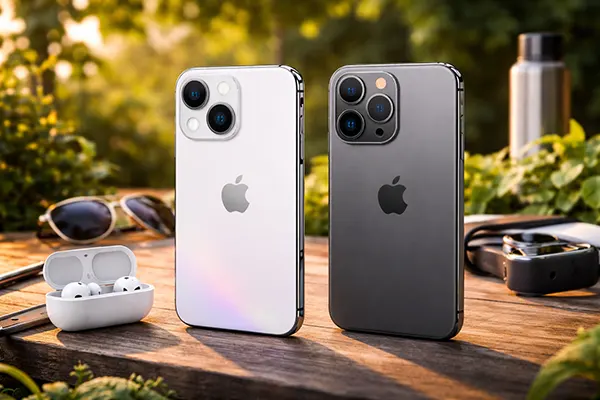
iPhone 17e vs Used iPhone 16 Pro: Which Is the Smarter Buy in 2026?
Choosing between a brand-new mid-range iPhone and a previously owned flagship is no longer a simple price question. In 2026, Apple’s product line has shifted enough that devices like the iPhone 17e offer modern efficiency, while older Pro models such as the iPhone 16 Pro still deliver premium hardware in key areas. This comparison focuses on real-world use, longevity, and value, helping you decide which option makes more sense depending on your priorities and how you actually use your phone.
Performance, Chipset, and Long-Term Support
The iPhone 17e is expected to run on a newer generation chip, likely built with improved energy efficiency and AI optimisation. Even if it is positioned below the Pro models, Apple’s newer silicon typically brings better thermal control and battery optimisation. For everyday tasks such as messaging, browsing, and light editing, this translates into smoother sustained performance rather than peak power.
In contrast, the iPhone 16 Pro uses a high-end chip from its release year, which still delivers excellent performance in 2026. It handles demanding tasks such as video editing, gaming, and multitasking with ease. However, it may consume more power under load compared to newer chips, especially after years of usage and battery wear.
Software support is another critical factor. A new iPhone 17e will receive updates for a longer period, likely extending several years beyond the 16 Pro. This affects not only features but also security patches, making the newer device a safer long-term investment for users planning to keep their phone for four to five years.
Real-World Speed vs Longevity
In day-to-day use, most users will not notice a major speed gap between the two devices. Apps open quickly on both, and iOS remains well-optimised across generations. The difference appears during sustained workloads, where the newer chip in the 17e maintains stable performance with less heat.
The used iPhone 16 Pro, however, may show variability depending on its condition. Battery health, storage wear, and prior usage patterns all affect responsiveness. A device with 85% battery capacity, for example, will not deliver the same experience as a new phone, even if the processor itself is powerful.
From a longevity perspective, the iPhone 17e clearly has the advantage. It starts its lifecycle fresh, with full battery capacity and maximum software support ahead. This reduces the need for early maintenance or replacement.
Camera, Display, and Build Quality
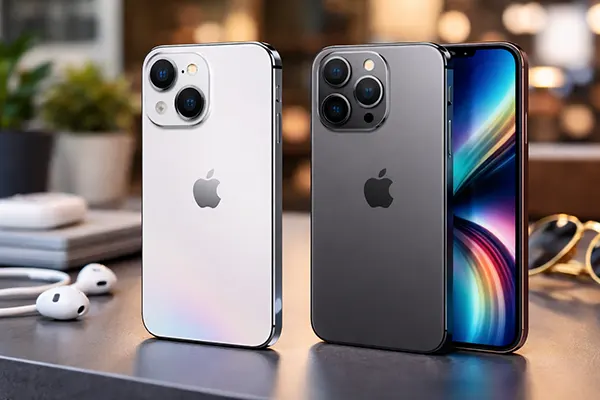
The iPhone 16 Pro was designed as a flagship, which is most evident in its camera system and display technology. It typically features a multi-lens setup with advanced zoom capabilities, better low-light performance, and more control over image processing. For users interested in photography or video recording, this remains a strong advantage even in 2026.
The iPhone 17e, while improved compared to previous “e” models, is likely to have a simplified camera system. It can produce excellent photos in standard conditions but may lack advanced zoom or professional-level video features. For casual use, this difference may not matter, but it becomes noticeable in more demanding scenarios.
Display quality also leans in favour of the 16 Pro. Features such as higher refresh rates, better brightness levels, and premium materials create a more refined visual experience. The 17e may still offer a good OLED panel, but without the same level of refinement found in Pro models.
Practical Differences in Everyday Use
For social media, messaging, and occasional photos, both devices perform well. The iPhone 17e delivers consistent results with minimal effort, making it suitable for users who want reliability without complexity.
The iPhone 16 Pro stands out when you push its capabilities. Night photography, zoom shots, and video stabilisation are noticeably better. This makes it more appealing to content creators or users who rely on their phone as a primary camera.
Build quality is another subtle difference. The 16 Pro typically uses premium materials such as titanium or stainless steel, giving it a more solid feel. The 17e, while well-built, is designed to be lighter and more accessible, which may affect durability over time depending on usage.
Price, Value, and Ownership Experience
The main reason to consider a used iPhone 16 Pro is price. In 2026, it can often be found significantly cheaper than its original retail cost, making it an attractive option for those who want flagship features without paying full price.
The iPhone 17e, although more affordable than Pro models, is still a new device with a higher upfront cost compared to second-hand alternatives. However, this price includes a fresh battery, warranty coverage, and peace of mind regarding device history.
Ownership experience differs in subtle ways. A new phone offers predictability — no hidden defects, no previous repairs, and full compatibility with future updates. A used device requires more careful selection, including checking battery health, screen condition, and authenticity of parts.
Which Option Makes More Sense in 2026
The iPhone 17e is the better choice for users who prioritise reliability, long-term use, and lower maintenance. It is especially suitable for those who upgrade less frequently and want a device that will remain supported for years.
The used iPhone 16 Pro is more appealing for users who want premium features at a reduced cost. It offers a higher-end camera system and display, making it a strong option for photography and media consumption.
Ultimately, the decision depends on how you use your phone. If you value new hardware and long-term stability, the 17e is the safer investment. If you prefer flagship capabilities and are comfortable assessing a used device, the 16 Pro can deliver excellent value for money.
Related articles
-
 AirPods 4 vs AirPods Pro 2 in 2026: W...
Choosing between AirPods 4 and AirPods Pro 2 in 2026 …
-
iPhone 17e vs Used iPhone 16 Pro: Whi...
Choosing between a brand-new mid-range iPhone and a previously owned …
-
 MacBook for Study and Office in 2026:...
Choosing a MacBook for study or office work in 2026 …